
5 Benefits of Solid Wood Furniture
La-Z-Boy Southeast | October 22, 2026
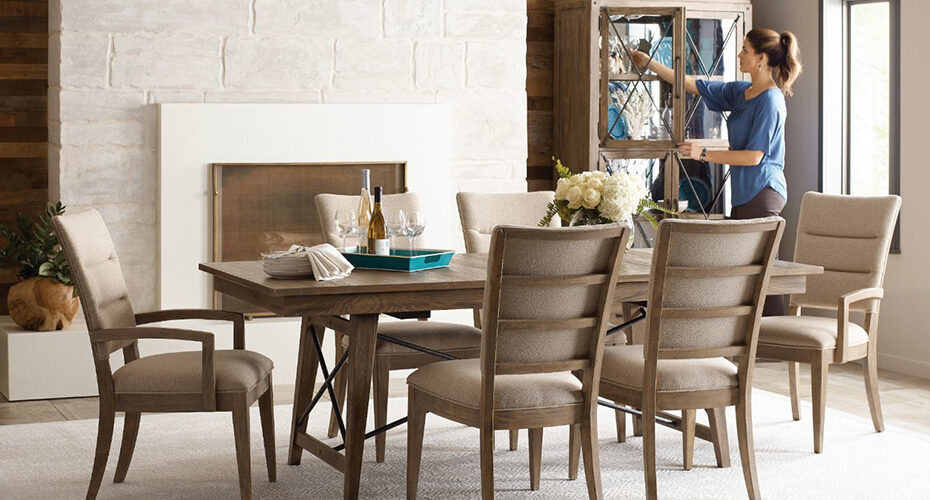
The biggest benefits of solid wood furniture are strength, repairability, natural beauty that improves with age, a smaller environmental footprint, and better value over the long run. Each one comes down to the same simple fact: solid wood is real lumber all the way through. As a result, it behaves very differently from particleboard or veneered pieces once years of daily life set in. Here’s a closer look at why each benefit holds up.
1) It’s Built to Carry Weight for Decades
Hardwoods like oak and maple are dense, so they resist dents and hold screws tightly. That density matters most at the joints, where furniture usually fails first. A mortise-and-tenon joint cut into solid oak, for example, can stay tight through decades of chairs being scooted and leaned on.
Particleboard, by contrast, is made from wood chips pressed together with resin. It holds fasteners poorly, so screws can strip out after a move or two. It also sags under steady weight, which is why bargain bookshelves often bow in the middle. If you’d like to understand the difference in more depth, our guide to solid wood furniture breaks down solid wood, veneer, and engineered wood side by side.
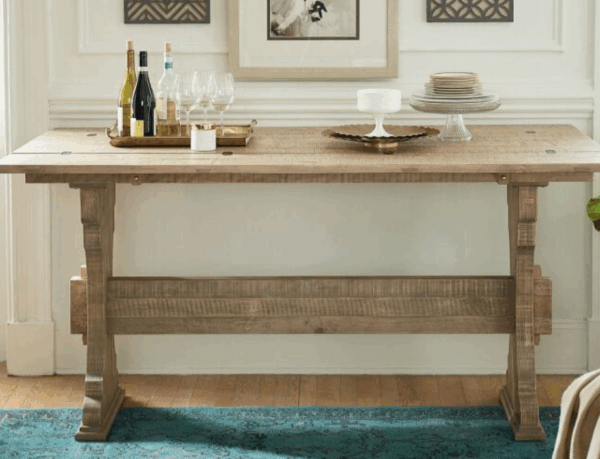
2. Damage is fixable, not final
This may be the most underrated benefit of all. When solid wood gets scratched, dented, or ringed by a sweaty glass, the wood underneath is the same as the surface. In other words, there’s nothing to wear through. A light scratch can often be buffed out, and a small dent can sometimes be raised with gentle steam.
Even bigger changes are possible. Years down the road, an entire piece can be sanded and refinished, or stained a new color to suit a different room. Veneer only allows light sanding before the core shows through, and particleboard can’t be refinished at all. So while every piece of furniture eventually shows wear, solid wood gives you a way to start over.
3. It gets better looking with age
Most furniture looks its best the day it’s delivered. Solid wood is different. Over time, light and air slowly deepen its color into what woodworkers call a patina. Cherry is the classic example, shifting from pale pink to a rich reddish brown within a few years.
Every board also carries its own grain, knots, and color variation from the tree it came from. Because of that, no two solid wood tables look exactly alike. Brands like Kincaid lean into this by finishing wood so the grain stays visible rather than hiding it under heavy paint or opaque stain.

4. It’s a more sustainable choice
A tree absorbs carbon as it grows, and that carbon stays stored in the wood for as long as the furniture exists. Consequently, a table that lasts fifty years keeps that carbon out of the atmosphere far longer than one replaced every few years. Longevity itself is a sustainability benefit, too, because less furniture ends up in landfills.
There’s an indoor air angle as well. Composite woods are bonded with resins, and some of those resins can release formaldehyde. That’s why the EPA sets formaldehyde emission limits for products like particleboard and MDF. Solid wood avoids most of that issue, although finishes and glues still play a role. To go further, see our roundup of sustainable furniture companies.
5) It often costs less over time
Solid wood does cost more up front, because the lumber and the labor both cost more. However, the sticker price only tells part of the story. Consider a simple example. A $1,500 dining table that lasts thirty years costs about $50 a year. A $500 table replaced every five years costs about $100 a year — plus the hassle of shopping, delivery, and disposal each time.
Solid wood also holds its value in a way few furnishings do. Well-made pieces are often passed down within families or resold rather than thrown away. That’s why so many people still eat at a grandparent’s table or store clothes in a dresser older than they are.
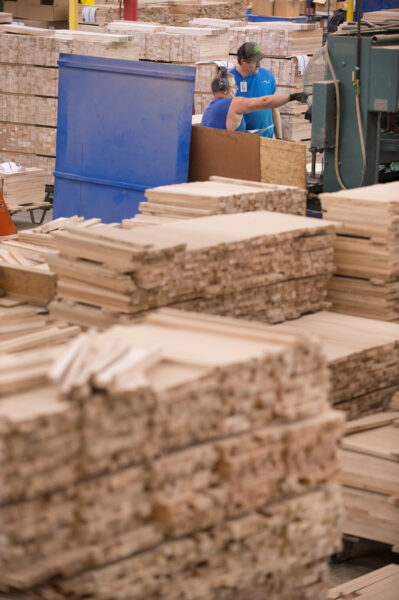
Making the most of these benefits
Of course, solid wood only delivers these benefits when it’s well built and cared for. When you shop, ask which parts are truly solid wood and how the joints are made. At home, keep pieces away from heating vents and sunny windows, and use coasters for drinks. For routine cleaning, a soft cloth and a mild wood soap are all most finishes need.
If you’d like to compare different woods and finishes in person, you’ll find solid wood dining and bedroom furniture at our locations across North Carolina, South Carolina, and Georgia. You can also explore more makers in our guide to where to buy solid wood furniture made in America.
Check out these additional resources
- Solid Wood Furniture: Everything You Need to Know
- Where To Buy Solid Wood Furniture Made In America
- Does Kincaid Make Good Furniture?
- How Is Furniture Made?