How to Actually Clean and Care for a Leather Sofa So It Lasts 20 Years
La-Z-Boy Southeast | May 29, 2026
A well-made leather sofa is built to last two decades or more. To get the most out of your investment, it’s important to know how to Clean and Care For Leather Furniture. Whether it actually lasts that long has very little to do with luck and almost everything to do with what gets put on the surface — and, just as importantly, what doesn’t.
The good news: leather is not a high-maintenance material. The care routine that keeps a quality leather piece looking right is short, simple, and not very frequent. The bad news: a few of the most common cleaning instincts — grabbing the all-purpose spray, the baby wipes, the alcohol wipes — will quietly strip the finish off a real leather sofa and turn a twenty-year piece into a five-year piece.
Here’s the full version of how to clean and care for your your leather furniture, from people who’ve sold, delivered, and yes, occasionally helped repair a lot of it across the Southeast.
The weekly care routine (takes about three minutes)
Most leather care is about preventing build-up, not removing it.
Dust with a soft, dry cloth or one barely dampened with distilled water. A microfiber cloth works well. Wipe in long, gentle passes. You’re not scrubbing — you’re lifting dust and surface oils off before they have a chance to settle in.
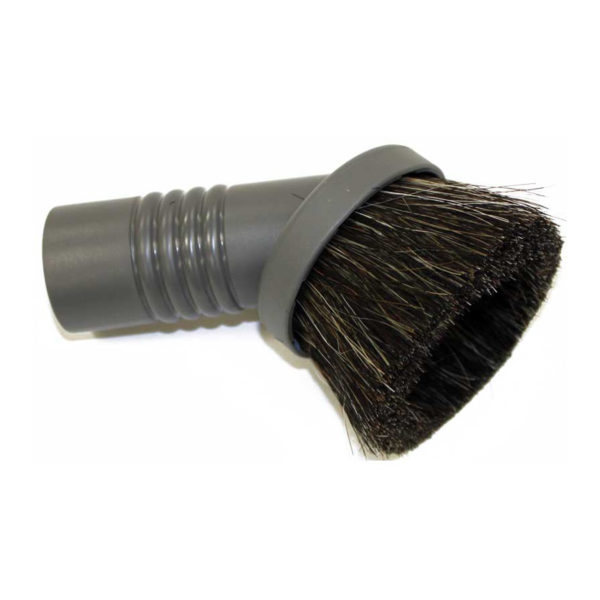
Vacuum the seams and crevices using the brush attachment on your vacuum, not the bare nozzle. The bristle brush is what protects the surface from scratches. A crevice tool is helpful for getting into the spots where cushions meet the frame, where crumbs and pet hair like to hide.
That’s the entire weekly routine. Most weeks it takes less time than tidying a coffee table.
The monthly check-in (a gentle wipe-down)
Once a month, do a slightly more thorough wipe with a mild cleaning solution.
A simple, leather-safe mix: a small amount of a very mild, dye-free, fragrance-free soap (think a gentle facial cleanser, not dish soap) diluted in distilled water — roughly a teaspoon of soap per cup of water. Dampen a soft cloth, wring it out so it’s just slightly damp (not wet), and wipe the leather surfaces with light pressure. Follow up with a second cloth dampened only with distilled water to remove any soap residue. Pat dry with a clean towel.
For most households, this monthly pass is enough. If you’d rather skip the dilution math, any pH-neutral cleaner labeled specifically for leather upholstery will do the same job.
Conditioning (twice a year is plenty)
This is the step most owners skip, and it’s the one that makes the biggest long-term difference. Leather is a natural material; like skin, it dries out over time, especially in homes with central heat or air conditioning. Dry leather is what eventually cracks.
A leather conditioner replaces the natural oils the hide loses with age. Apply a thin, even coat with a soft cloth twice a year — once at the start of summer, once at the start of winter is an easy rhythm to remember. Let it sit for about ten minutes, then buff off the excess with a clean dry cloth.
Use a conditioner made for upholstery leather. Saddle soap, mink oil, and other automotive or saddlery products are formulated for different leathers and can darken or discolor furniture leather.
When something spills
The single most important rule: blot, don’t rub. Rubbing pushes the spill into the grain and spreads it sideways. Blotting lifts it back out.
For most everyday spills — water, coffee, wine, juice — grab a clean dry cloth fast and blot. If a residue remains, follow up with the mild soap and distilled water mix above, then wipe with plain water and pat dry.
For grease, food oils, or makeup, skip the water (which can set the stain) and dust a small amount of cornstarch or talcum powder over the area. Let it sit overnight to absorb the oil, then brush off gently with a soft cloth.
For ink, pet accidents, or anything you’re not confident handling, call a professional leather cleaning service before you experiment. A small, fast professional cleaning is much cheaper than a refinish.
What not to use on leather furniture (this is the most important section)
These are the products that will strip the topcoat off real leather faster than almost anything else. They are also, unfortunately, the products most people reach for first:
- All-purpose household cleaners (Lysol, 409, Mr. Clean, etc.)
- Glass cleaners (Windex)
- Disinfecting wipes and baby wipes — most contain alcohol or detergents that dissolve the finish
- Anything alcohol-based, including hand sanitizer
- Ammonia, bleach, or any oxidizing cleaner
- Furniture polishes designed for wood
- Saddle soap or mink oil — the wrong formulation for upholstery leather
A single accidental wipe with one of these usually won’t ruin a piece. Repeated use absolutely will. If you wouldn’t use it on your face, don’t use it on your leather sofa.
The damage causes most people never hear about
These are the things that quietly wear leather down over the years, and they’re worth knowing because they catch a lot of owners by surprise.
Prescription medications. This is the big one, and most leather owners don’t hear about it until their headrest starts going sticky. Statins, blood pressure and heart medications, diabetes medications, and chemotherapy drugs are all expelled through the skin in trace amounts. They change the chemistry of body oils enough to break down the leather’s topcoat where the head and arms make contact. If you take any of these regularly, a washable throw across the headrest is the simplest preventive measure there is.
Hair products. Gels, leave-in conditioners, serums, and beard oils transfer from heads to headrests. Same fix as above.
Lotions, sunscreens, and DEET insect repellents. DEET in particular is hard on leather finishes. Wipe arms before settling into a leather chair after using any of these.
Direct sunlight. Even though leather resists fading better than most fabrics, prolonged direct sun will eventually dry and fade any upholstery. Try to keep leather pieces out of the path of strong south- or west-facing windows, or use sheer curtains during peak hours.
Radiators, vents, and fireplaces. Keep leather furniture at least 12 inches from any heat source. Direct heat dries the hide out faster than anything except sunlight.
Pets on bare leather — see our why leather is great for pets article for the full discussion.
A note on the sides and backs of our leather pieces
Most of our leather furniture uses top grain or full grain leather on every seating surface, with color-matched performance materials on the sides and backs of the piece. The performance materials are durable and easy to clean with the same mild soap solution above — they don’t need conditioning the way the leather does. (If you’ve chosen the premium all-leather build, where the entire piece is wrapped in top or full grain leather, clean and care for the whole piece the same way you would the seating surfaces.)
When to call a pro
If your leather develops a sticky surface, a cloudy haze, or a topcoat that’s lifting in patches, stop home treatment and call a professional leather restoration service. These are signs of finish breakdown that home remedies will usually make worse. A pro can often refinish a piece that looks past saving — often for a small fraction of replacement cost.
Final thoughts
Leather rewards a small amount of routine care more than almost any material in your home. The dust-and-vacuum weekly habit, the monthly wipe-down, and the twice-yearly conditioning are genuinely all that most leather furniture needs to look right for fifteen, twenty, or twenty-five years.
If you’d like to see leather pieces in person, you’re welcome at any of our locations across NC, SC, and GA. Our free design consultations are the easiest way to see the lineup and ask care questions face-to-face. You can also browse the current La-Z-Boy leather collection online.
Related reading:
- Bonded Leather vs. Genuine Leather: What 50 Years of Selling Has Taught Us
- Leather vs. Fabric: Why We Keep Recommending Leather
- Why Leather Is Great for Pets
- Everything You Need to Know About Leather Recliners
Affiliate link resources:
Crevice tool to lightly remove any hard-to-reach debris.
Brush attachment like the one pictured below to keep your vacuum from scratching your fabric.