
The Real Guide to Making Your Furniture Last Decades (Not Just Years)
La-Z-Boy Southeast | December 3, 2025
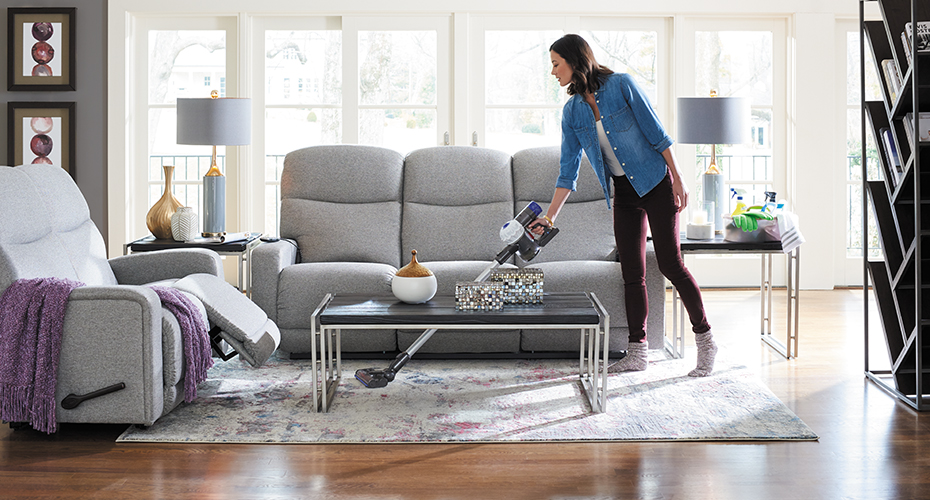
Most furniture care advice tells you to “vacuum regularly” and “fluff your cushions.” That’s fine, but it’s like telling someone the secret to a healthy body is “exercise sometimes.” True, but not particularly useful. The reality is that furniture longevity depends on understanding what’s actually causing wear and tear—and most of it isn’t what you think.
Your furniture faces three types of degradation: mechanical wear from use, environmental damage from your home’s conditions, and contamination from dirt and oils. Each requires different strategies. Let’s dig into what actually works.
Understanding Wear Patterns: Why Some Spots Fail First
Before you can properly care for furniture, you need to understand where damage concentrates and why.
High-contact zones (armrests, seat fronts, headrest areas) accumulate body oils, hand oils, and hair products. These substances don’t just sit on the surface—they migrate into fibers, attracting dirt and creating that grimy buildup that makes fabric look dingy. This is why armrests often look worn long before seat cushions, even though seats bear more weight.
Friction points where fabric rubs against itself or other surfaces experience fiber breakdown. The front edge of seat cushions, where thighs rest, sees constant friction every time someone sits or stands. Cushion corners where fabric wraps around foam experience stress with every compression.
Structural stress points include frame joints, spring attachments, and webbing. These hidden components fail gradually, and by the time you notice sagging, significant damage has occurred. The good news? Most structural problems can be prevented with simple maintenance.
1) Fabric (Or Leather!) Care That Actually Makes a Difference
Vacuuming is important, but it’s only the beginning. Different fabrics require different approaches:
Natural fiber fabrics (cotton, linen, wool) absorb moisture and oils readily, making them prone to both staining and harboring odors. They also attract dust mites and can develop mildew in humid conditions. For these fabrics:
- Vacuum weekly with upholstery attachment using overlapping strokes
- Use the crevice tool to get into seams and tufting where debris accumulates
- Consider a HEPA-filter vacuum if anyone in your household has allergies
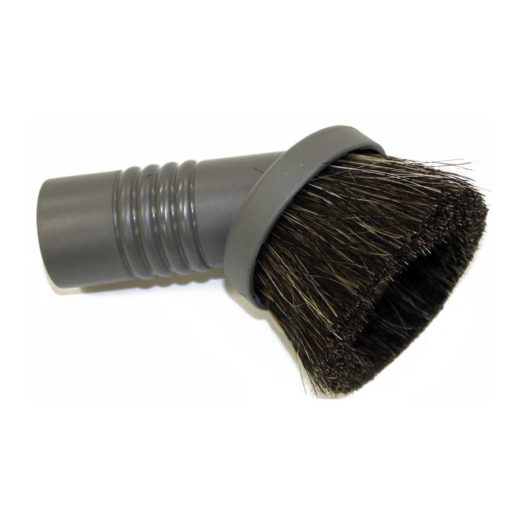
- Every 2-3 months, use a soft brush to agitate fibers before vacuuming to lift embedded dirt
Synthetic fabrics (polyester, microfiber, olefin) resist stains better but can develop static electricity that attracts dust and pet hair like a magnet. They also tend to show pilling more obviously:
- Vacuum bi-weekly, as these fabrics don’t hide dirt as well as textured natural fibers
- Use a lint roller between vacuuming sessions for quick touch-ups
- Address pilling promptly (more on this below) since synthetic pills can felt together if left too long
Performance fabrics (treated or solution-dyed) resist stains and moisture but still need regular maintenance:
- Vacuum monthly at minimum—these fabrics can create a false sense of security because they look clean longer
- Wipe spills immediately with a clean, dry cloth; even stain-resistant fabrics can develop water rings if moisture sits too long
- Avoid using fabric protectants on performance fabrics unless specifically recommended—you can actually reduce their effectiveness
Velvet and plush fabrics require special attention to maintain their direction and texture:
- Address crushed areas by steaming from a distance and brushing while damp
- Use a soft brush to stroke the pile in one direction, restoring the nap
- Vacuum on lowest suction setting, or hold the hose slightly away from the fabric to avoid crushing the pile
Leather Care Beyond the Basics
The advice to “wipe leather with a damp cloth” isn’t wrong, but it’s incomplete. Leather is skin, and like your own skin, it needs more than just surface cleaning.
Understanding leather types determines care:
- Aniline leather (unprotected, absorbs liquids) needs conditioning every 3-4 months and immediate attention for spills
- Semi-aniline leather (light protective coating) tolerates moderate cleaning but still needs conditioning
- Protected leather (heavy coating) resists stains but can crack if the coating dries out
- Pull-up leather (oil-tanned) changes color when you press it and needs oil-based conditioner, not water-based
Proper leather cleaning routine:
- Weekly: Dust with a dry microfiber cloth to prevent particle buildup that can scratch the surface
- Monthly: Vacuum crevices where dust accumulates but a cloth can’t reach
- Quarterly deep clean: Mix a few drops of pH-neutral soap (not dish soap, which is too harsh) in distilled water. Wring out cloth until nearly dry—leather should never get wet. Wipe in sections, immediately drying each area with a clean cloth.
- Conditioning: After cleaning, apply leather conditioner specific to your leather type. This replenishes oils that evaporate over time. Too much conditioning can make leather sticky; too little leads to cracking.
The humidity factor: Leather performs best between 40-55% relative humidity. Too dry, and it cracks; too humid, and it can develop mildew. If you live in extreme climates, a humidifier or dehumidifier
2) The Pilling Problem: What’s Really Happening
Pilling isn’t a sign of cheap furniture—it’s a sign of loose fiber ends that weren’t fully secured during manufacturing. Here’s what you need to know:
Why pilling happens: Short fibers work their way to the fabric surface through normal use. Friction (from sitting, from clothing, from pets) tangles these fibers into tiny balls. Natural fabrics like cotton and wool pill from broken fibers; synthetics pill from fibers that are too strong to break, so they ball up instead.
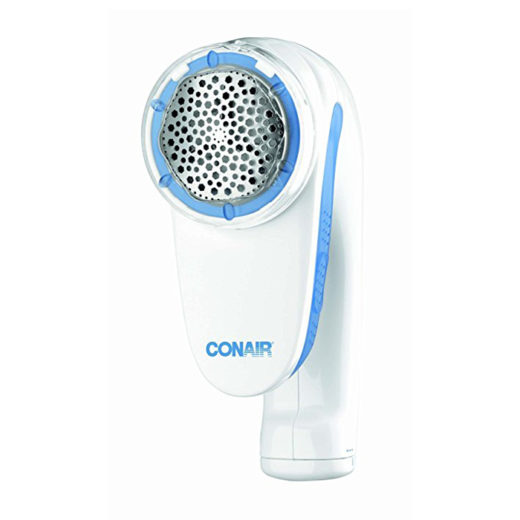
The right way to remove pills: Fabric shavers (defuzzers) work well for large areas, but use light pressure and keep the device moving—holding it in one spot can create a divot. For delicate fabrics or small areas, use a sweater stone (pumice) or even a clean razor dragged gently across the surface. The key is removing pills at the surface without pulling on attached fibers.
Preventing future pilling: Pills often return in the first few months as all loose fibers work free. This doesn’t mean your furniture is defective—it means it needs initial “training.” After you’ve removed pills 3-4 times, the fabric should stabilize. Minimize pilling by:
- Avoiding rough clothing (denim, jackets with zippers) on plush fabrics
- Keeping pets’ nails trimmed
- Not over-stuffing cushions with throw pillows that create friction
3) Cushion Care: More Than Just Fluffing
Those seat cushions contain complex components that respond to different types of maintenance:
Daily/Weekly cushion care:
- Flip reversible cushions every week so both sides wear evenly
- Rotate cushion positions monthly (left to right, front to back) if you have a sofa with multiple seats
- Fluff by punching or karate-chopping the cushion’s center, then smoothing the surface—this redistributes fill and breaks up clumped fibers
What’s really happening inside: Most modern cushions use polyurethane foam wrapped in a fiber layer (Dacron or polyester batting). The foam provides structure; the fiber provides shape and softness. Over time:
- Foam compresses where you sit, creating a memory of your body
- Fiber batting shifts toward high-pressure areas, thinning out in others
- Heat from your body accelerates foam breakdown
- Moisture from humidity or sweat can degrade foam quality
Extending cushion life:
- Never remove zippered covers to wash them unless the manufacturer explicitly says you can. Most cushion covers aren’t designed to go back on easily, and they may shrink even with careful washing.
- Don’t sit in the exact same spot every time. Varying your position by even 6 inches distributes wear.
- For loose cushions, store them upright when furniture isn’t in use—laying flat maintains compression.
Spot cleaning properly: When spills happen:
Extract as much moisture as possible and air-dry completely before using—damp cushions can develop mildew inside
4) Environmental Damage Control
Your home’s environment affects furniture lifespan as much as how you use it:
Temperature fluctuations cause materials to expand and contract, stressing joints and potentially cracking wood or leather. Avoid placing furniture near:
- Heating vents or radiators (causes excessive drying)
- Air conditioning vents (condensation can cause mildew)
- Fireplaces (heat on one side creates uneven expansion)
Humidity issues affect different materials differently:
- Wood furniture joints can loosen in low humidity, tighten in high humidity
- Fabric can develop musty odors or mildew in sustained humidity above 60%
- Leather dries and cracks below 35% humidity, grows mold above 70%
- Metal components can rust in high humidity
Sunlight exposure deserves its own article (which you’ve got!), but as a reminder: UV damage is cumulative and irreversible. Prevention is your only option.
5) The Hidden Maintenance: Frame, Springs, and Structure
Most people completely ignore structural care until something breaks. That’s like never changing your car’s oil and wondering why the engine fails.
Frame checking (every 6 months):
- Rock the furniture side to side and front to back—any creaking indicates loose joints
- Check that all legs contact the floor evenly; wobbling means either an unlevel floor or frame damage
- Look underneath for cracks in wood or welds in metal frames
- Tighten any visible bolts or screws—these loosen over time from normal use
Spring maintenance: If your furniture has traditional coil springs (most older or high-end pieces), they need attention:
- Listen for squeaks, which indicate metal-on-metal contact from worn padding
- Feel for uneven support or pokes from broken springs
- Have springs retied or replaced by a professional if you notice sagging—this isn’t a DIY fix
Webbing and platform bases: Modern furniture often uses elastic webbing or solid platforms instead of springs:
- Both require professional repair, but catching problems early means less expensive fixes
- Elastic webbing stretches over time and eventually needs replacement (usually 7-10 years)
- Platform bases (plywood or particle board) can warp from humidity or crack from stress
Common Mistakes That Shorten Furniture Life
Using all-purpose cleaners: Products like Windex or Pledge aren’t designed for upholstery. They can leave residues that actually attract more dirt or damage protective fabric treatments. Use products specifically formulated for furniture.
Over-wetting fabric during cleaning: Moisture that penetrates deeply into cushions can cause mildew, odors, and deterioration of foam and adhesives. Always use minimal water and ensure complete drying.
Ignoring manufacturer codes: That cryptic tag attached to your furniture isn’t decorative—it tells you what cleaning methods are safe:
- W = water-based cleaner only
- S = solvent-based cleaner only
- WS = either water or solvent
- X = vacuum only, no water or chemicals
Using the wrong type of cleaner can permanently damage fabric or void warranties.
Delaying stain treatment: The longer a stain sits, the more it bonds with fibers. Even stains that look cleaned up can oxidize over time and reappear as brown or yellow marks. Always treat spills immediately.
Skipping protective treatments: If your furniture didn’t come with built-in protection, consider having professional protectant applied. This creates a microscopic barrier that gives you time to clean spills before they become stains. But do your research—some products can change fabric feel or appearance.
When to Call a Professional
DIY maintenance handles 95% of furniture care, but some situations require expert help:
Professional upholstery cleaning (every 1-2 years for high-use furniture): Professionals have equipment that extracts dirt from deep in fibers without over-wetting. They can also treat stubborn stains and apply protectants properly.
Frame repair: Loose joints, cracks, or wobbling usually require woodworking skills and proper tools. A professional can reinforce joints with new hardware or glue without damaging visible surfaces.
Reupholstering: When fabric is beyond cleaning, completely worn, or you simply want a fresh look, professional reupholstery breathes new life into quality frames. This is often more economical than buying new furniture, especially for solid wood pieces.
Spring retying or foam replacement: These jobs require understanding furniture construction and access to proper materials. DIY attempts usually create more problems than they solve.
Creating a Maintenance Schedule That Works
Rather than trying to remember everything, create a simple routine:
Weekly: Quick vacuum or brush down of high-use furniture, fluff cushions, rotate if needed
Monthly: Thorough vacuuming including crevices, leather wipe-down, check for new stains or damage
Quarterly: Deep clean leather or fabric, inspect frame and structure, rotate cushion positions
Annually: Professional cleaning for high-use pieces, evaluate for repairs, reapply protectants if needed
The key is consistency. Fifteen minutes of weekly maintenance prevents hours of deep cleaning and extends your furniture’s life by years.
The Bottom Line: Quality Furniture Is an Investment
With proper care, good furniture should last 10-15 years minimum, and quality pieces can remain functional and attractive for decades. The difference between furniture that lasts and furniture that disappoints usually comes down to care in the first few years.
Establish good habits early, address problems promptly, and remember that maintenance is always cheaper than replacement. Your furniture should get more comfortable with age, developing character and fitting your life better over time—not falling apart and becoming an eyesore.
That’s the difference between furniture and furnishings. Furniture is just stuff that sits in your house. Furnishings are thoughtfully cared-for pieces that make your house a home.
Check Out These Additional Resources
At La-Z-Boy Home Furnishings & Décor, we can show you how to get the most out of your furniture investment.
Here are some additional online resources you might be interested in:
- How to Make Your Furniture Pet-Friendly
- Furniture Buying Guide: Everything You Need to Know
- 10 Best Furniture Brands in the Market