
What Is Fabric Pilling? (Causes / Treatment / Prevention)
La-Z-Boy Southeast | May 22, 2026
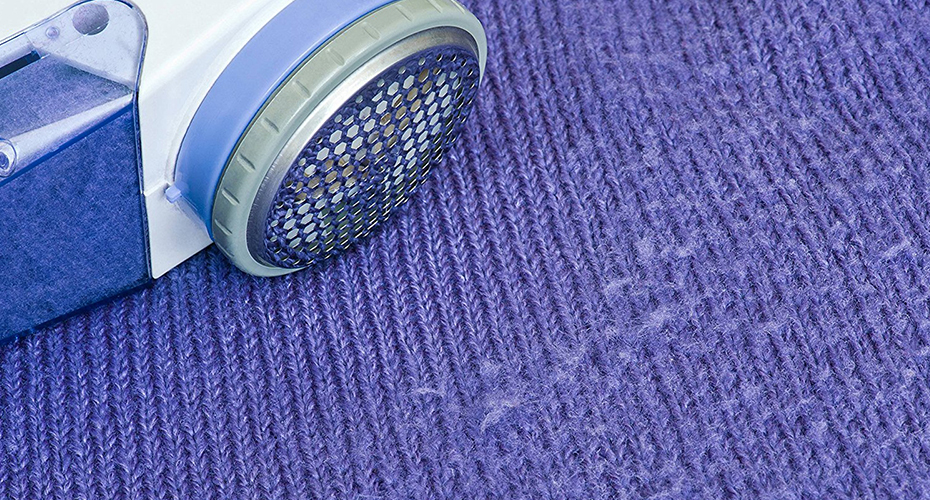
Fabric pilling is the small balls of tangled fiber that form on upholstery, clothing, and rugs. It happens when loose fibers rub together and twist into knots. Pilling is completely normal – it is not a defect – and you can shave it away in minutes with an inexpensive fabric shaver.
Spotted tiny fuzz balls on a favorite sofa or armchair? It is one of the most common furniture questions we hear. Here is why pilling happens, how to remove it, and how to choose upholstery that stays smooth longer.
What Causes Fabric Pilling?
Pilling comes down to friction. Every woven fabric has short, loose fibers near its surface, and sitting, shifting, and leaning rub them together until they twist into small knots. That is why pills tend to show up first on the seat and where your back rests.
They do not always come from the sofa itself, either. Blankets, throws, and clothing – fleece and knit sweaters especially – shed fibers that catch and ball up on your upholstery, and pet hair adds to the fuzzy look. The reassuring part: most pilling slows down on its own once those loose surface fibers have worked their way out.
Is Pilling a Sign of Cheap or Defective Furniture?
No. Pilling is not a manufacturing defect, and it does not mean you bought poor-quality furniture. It happens at every price point – on budget upholstery and high-end designer fabric alike – because even strong, well-made fabrics shed loose fibers as they settle in. Since it counts as normal wear rather than a flaw, pilling usually falls outside furniture warranties. You will not miss the coverage, though: it is one of the easiest furniture problems to fix yourself.
How Do You Get Rid of Fabric Pilling?
The most effective tool is an inexpensive, battery-operated fabric shaver, also sold as a depiller or fabric defuzzer. It glides across the fabric, trims the pills away, and leaves the surface smooth. Lay the cushion flat so the fabric stays taut, use light passes instead of pressing hard, and vacuum up the trimmed fuzz when you are done. A fabric comb or a pumice-style sweater stone works well too.
Pilling may return a few times as more loose fibers reach the surface – just shave it again. Eventually it stops, once the excess fiber is gone.
Which Fabrics Pill the Most?
Every fabric can pill, but two things decide how much you will notice: the fiber and the weave. Synthetic fibers like polyester, acrylic, and nylon are strong, so pills cling and build up. Natural fibers like cotton, wool, and linen are weaker, so their pills tend to break off and brush away on their own. Blends often pill the most, because the strong fiber holds onto the pills the weaker one sheds.
Weave matters just as much. Smooth, tightly woven fabrics – including most performance fabrics – lock their fibers in place and pill the least, while loose, textured weaves like chenille leave more fiber free to tangle. One material never pills at all: leather, which has no surface fibers to begin with. If durability is a priority, our guide to the most durable furniture fabrics compares the options in detail.
Can You Prevent Fabric Pilling?
Not entirely – every fabric gives up a few loose fibers. But you can reduce how much shows up: rotate and flip your cushions so wear spreads evenly, vacuum regularly to clear away loose fibers and pet hair, and choose smoother throws that shed less. The best defense is picking a smooth, tightly woven or performance fabric from the start.
Routine care helps in other ways, too. Your furniture tag carries a cleaning code, and La-Z-Boy’s fabric and leather care guide explains what each code means so you can clean every fabric correctly.
The Bottom Line on Fabric Pilling
Fabric pilling looks worse than it really is. It’s normal, it’s harmless, and it’s one of the simplest furniture issues to fix. With an occasional once-over from a fabric shaver, your upholstery can look smooth and fresh for many years.
Still deciding which fabric is right for your home? The design consultants at any La-Z-Boy Southeast location in North Carolina, South Carolina, and Georgia are glad to help. They’ll walk you through the options — no pressure, just honest answers.
Check Out These Additional Resources
- How To Remove Pet Hair from Furniture
- 8 Best Furniture Stores with Free Design Services
- La-Z-Boy vs Ashley Furniture: 7 Differences You Should Know
We’d be happy to help you bring your dreams to life at any of our locations in NC, SC, and GA.
DISCLAIMER: This post contains affiliate links. As an Amazon Affiliate we may earn a small commission from qualifying purchases when you click on the links at no additional cost to you.