The Most Durable Furniture Fabric
La-Z-Boy Southeast | October 29, 2026
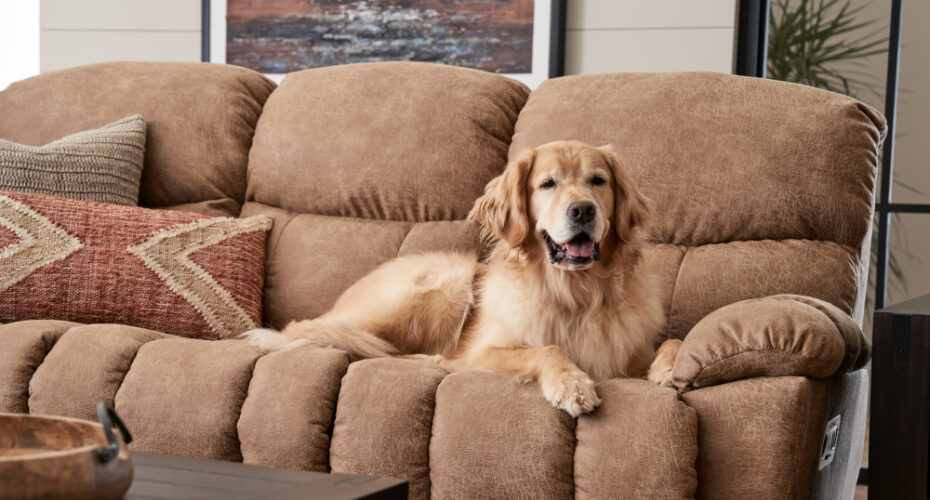
The most durable furniture fabric is usually a tightly woven synthetic, such as microfiber or a performance fabric made from polyester, olefin, or nylon. These fibers resist abrasion, stains, and fading better than most natural options. If you count leather as an upholstery choice, top-grain leather outlasts them all. That said, durability depends on more than fiber alone. The weave and the fabric’s tested rub rating matter just as much.
It’s one of the questions we hear most often, and for good reason. Most of us are tough on our furniture, between kids, pets, movie nights, and the occasional spilled coffee. This guide explains what actually wears fabric out and which fabrics hold up best.
What actually wears fabric out
The biggest enemy of upholstery is friction, and dirt makes it worse. Tiny particles of dust and grit settle down between the fibers. Then, every time someone sits, those particles grind against the threads like fine sandpaper. Picture a string pulled tight while someone rubs a rough stone across it. Eventually, it frays and snaps, and fabric fibers break down the same way, just much more slowly.
Because of this, durable fabrics share three traits. First, they use strong fibers that resist abrasion. Second, they have a tight weave that keeps grit from working its way inside. Finally, they have no long loose threads that can catch on buttons, zippers, or claws.
Manufacturers measure abrasion with a double rub test. A machine rubs a swatch back and forth until it shows visible wear, and each back-and-forth counts as one double rub. Fabrics rated around 15,000 double rubs or more are generally considered heavy duty for home use. For a family room sofa that sees daily use, that number is a helpful starting point. However, a high rating won’t save a fabric that pills, snags, or fades, so look at the whole picture.
Microfiber: tough and soft
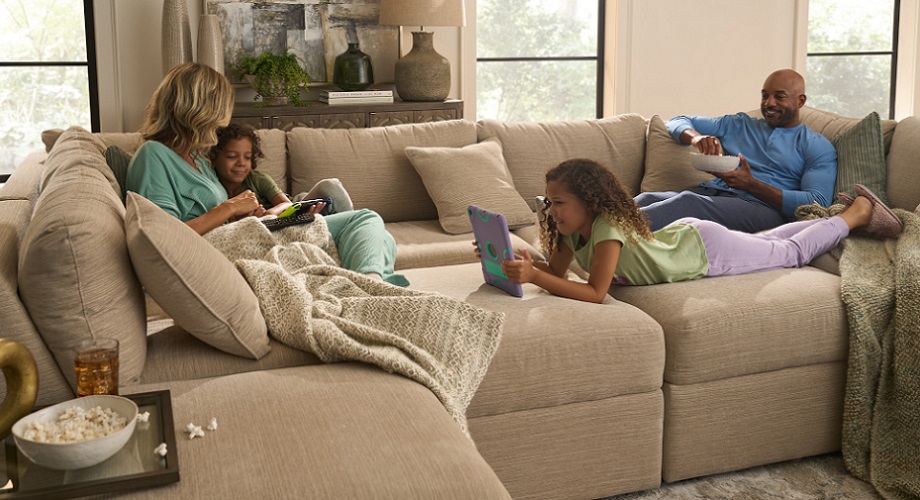
Synthetic microfiber earns its reputation as one of the hardest-working fabrics on the market. Its fibers are finer than a strand of silk, and they are packed into a dense, tight surface. As a result, dirt has a hard time settling in, and most spills bead up long enough to blot away. Microfiber also stays soft, which is why it shows up on so many family sofas and recliners.
Performance fabrics: built for real life
Performance fabrics take durability a step further. They are typically made from polyester, olefin, nylon, or acrylic, and many carry a stain-resistant finish. Some are solution-dyed, meaning the color goes all the way through each fiber instead of sitting on the surface. Consequently, they resist fading and stand up to cleaning that would ruin other fabrics. La-Z-Boy’s own iClean fabric is one example, designed to repel spills before they become stains.

Canvas: nearly indestructible, a little stiff
Canvas started out on outdoor furniture, where it had to survive sun, storms, and the occasional raccoon. Its thick, tightly woven fibers make it extremely durable indoors as well. The tradeoff is comfort. Canvas feels coarser than microfiber and doesn’t soften much over time, so most people save it for casual or high-traffic spaces.
Cotton and linen: strong when woven tight
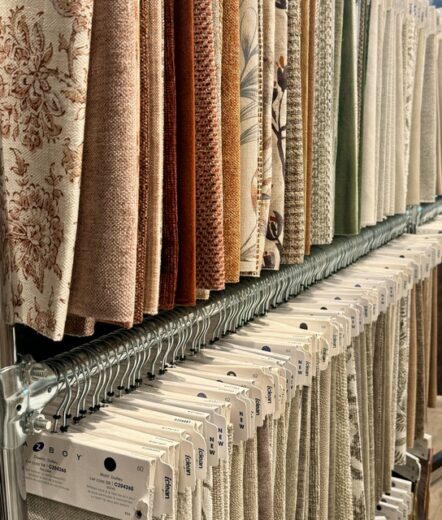
Cotton and linen have naturally strong fibers, and they breathe beautifully in warm Southern summers. However, they are only durable when they are woven tightly. A loose weave lets dirt and liquid soak in, and loose threads snag on clothing and pet claws. Over time, those small snags can grow into holes and tears. For that reason, many of the best cotton and linen upholstery fabrics are blended with polyester for extra strength.
If you share your home with pets, our guide to the best furniture for pets goes deeper on which of these fabrics handle claws and fur best.
How to test a fabric before you buy
You don’t need a lab to judge a fabric’s durability. Start by looking closely at the surface. A durable weave looks dense and even, with no visible gaps where dust could slip through. Next, grab a fabric sample and gently pull it in a few directions. The best fabrics hold their shape with very little give, while weaker ones stretch or let threads shift apart.
Then, run a fingernail across the surface to check for loops or loose threads that could snag. Finally, ask your design consultant about the fabric’s double rub rating and how it was tested. Of course, you could skip all of this and buy a cinderblock sofa that never wears out. Most of us, however, would rather have something comfortable to sit on.
Finding the right balance
The most durable fabric for your home is the one that matches how you actually live. A busy family room might call for performance fabric or microfiber, while a quiet reading nook can handle a softer linen. At La-Z-Boy, every fabric goes through testing rated at twice the industry standard. Machines stretch, rub, and pound each one long before it reaches a showroom.
If you’d like to compare options in person, any of our La-Z-Boy Southeast locations in North Carolina, South Carolina, and Georgia can pull swatches for you. You can also schedule a free design consultation to talk through fabrics that fit your space and your household.
Check out these additional resources
- Fabric vs. Leather Furniture: Which One is Right for You?
- Best Furniture for Pets: Leather or Fabric?
- The Real Guide to Making Your Furniture Last Decades
- Why Your Furniture Fades (And How to Actually Stop It)