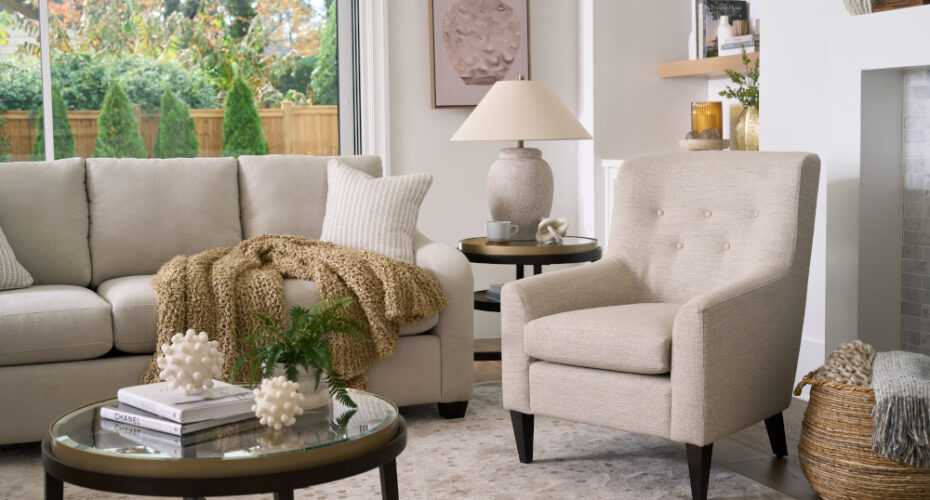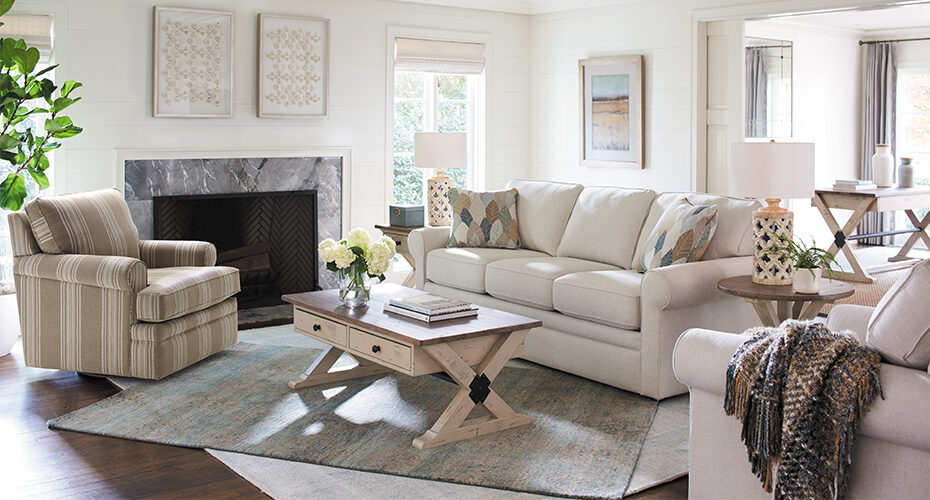
Designing your own living room starts with understanding how the space actually works — who uses it, how they move through it, and what the room needs to do on a daily basis. Once you answer those questions, the style choices, furniture decisions, and finishing touches tend to fall into place much more naturally than you’d expect. You don’t need a degree in interior design to create a living room that looks intentional and feels like home. You just need a plan.
Continue readingThe Definition of a La-Z-Boy Recliner [in Under 100 Words]
What Is a La-Z-Boy Recliner?
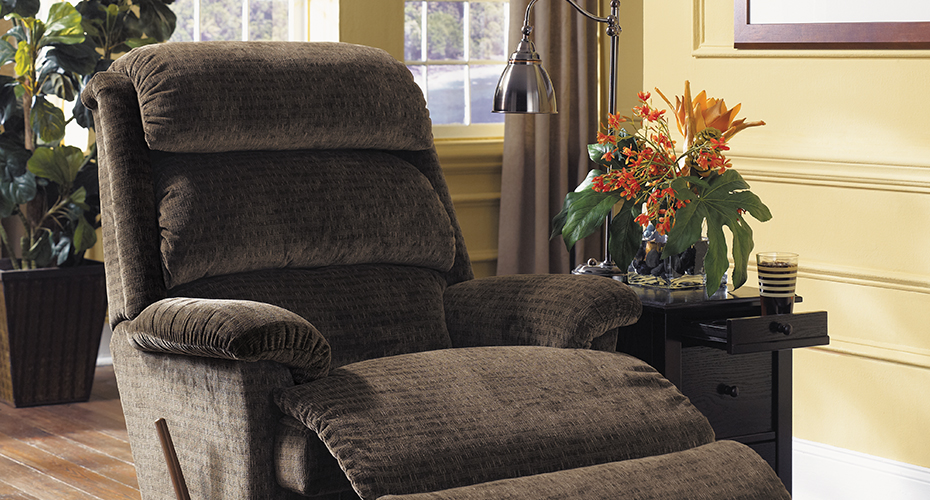
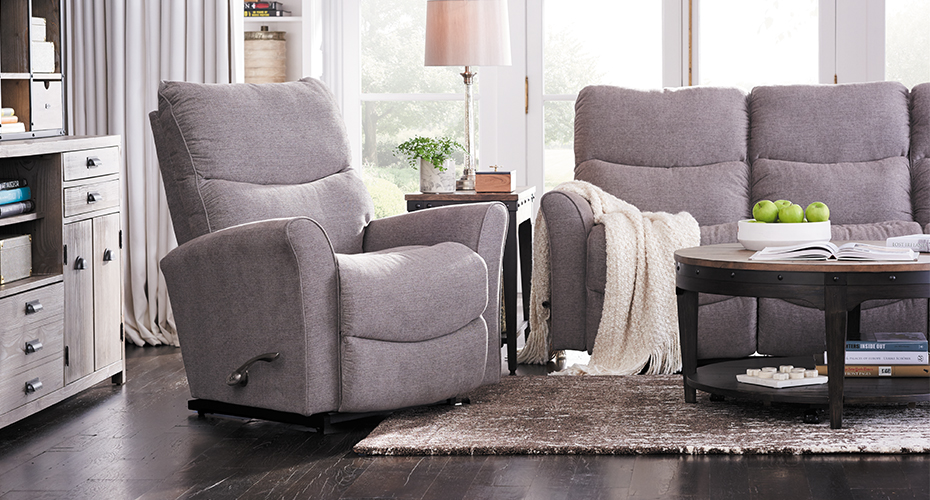
A La-Z-Boy recliner is an American-made chair with a built-in mechanism that lets you tilt the backrest and extend a footrest using a side handle, push-back motion, or power button. Manufactured in Tennessee and Michigan since 1927, La-Z-Boy recliners feature kiln-dried hardwood frames, a steel reclining mechanism designed in-house, and a locking footrest that holds at any angle.
The name has become so synonymous with recliners that many people use “La-Z-Boy” generically — but it refers specifically to chairs made by La-Z-Boy Incorporated, available in over 900 cover options with upgrades like power recline, lumbar support, heat, and massage.
5 Interior Design Tips for Styling Around Your Recliner
A recliner doesn’t have to be the awkward centerpiece of your living room. With a few smart design decisions, it can look just as intentional as the rest of your furniture — and still be the most comfortable seat in the house.
How do you style a recliner so it fits your room’s design?
The key is treating your recliner like any other piece of upholstered furniture. Choose a solid fabric color, anchor it with accessories, and consider the scale and shape of the chair relative to your room. If you’re open to it, a high leg or pushback recliner can take styling even further by eliminating the traditional “recliner look” entirely.
Here are five practical tips to help you get there:
Furniture Buying Guide: Everything You Need To Know
Buying furniture is one of the biggest investments you’ll make for your home, and the right preparation can save you hundreds of dollars and years of regret. Whether you’re furnishing your first place or upgrading pieces you’ve had for a decade, this free guide walks you through everything you need to know before you shop — from measuring your space to spotting quality construction to choosing the right fabric for your real life.
Here’s what you’ll learn our downloadable guide below:
- How to measure and prepare your space so every piece fits perfectly — including the doorways and hallways people always forget
- A realistic breakdown of what furniture actually costs at different quality levels
- How to tell the difference between furniture that will last and furniture that won’t, even if they look the same on the showroom floor
- Which fabrics and materials hold up best for families, pet owners, and everyday living
- How to properly test furniture in-store so you’re not surprised when it shows up at home
- The best times of year to buy and how to avoid the most common (and costly) shopping mistakes
- A printable pre-shopping checklist you can take with you to the store
The Biggest Furniture Trends Shaping 2026 (and What They Mean for Your Home)
Designers across the industry agree: 2026 is the year furniture gets its personality back. Based on predictions from top interior designers featured in The Spruce, ELLE Decor, Good Housekeeping, Houzz, and La-Z-Boy’s very own interior designers, these are the biggest furniture trends defining the year:
- Character-driven furniture that reflects your personal story, not someone else’s Pinterest board
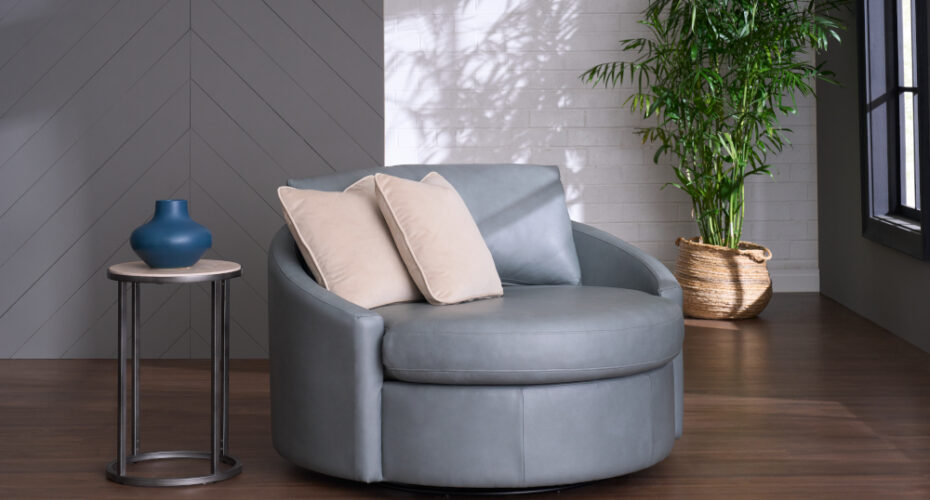
- Soft, curved silhouettes replacing sharp angular lines across sofas, chairs, and tables
- Quality craftsmanship and heirloom-worthy construction over disposable, mass-produced pieces
- Warm tones and rich woods like walnut, ochre, olive green, and caramel replacing cool grays
- Comfort-first design with deep cushions, generous proportions, and plush fabrics
- Vintage and collected pieces mixed with new furniture for rooms that feel layered and lived-in