Why Your Furniture Fades (And How to Actually Stop It)
La-Z-Boy Southeast | December 3, 2025
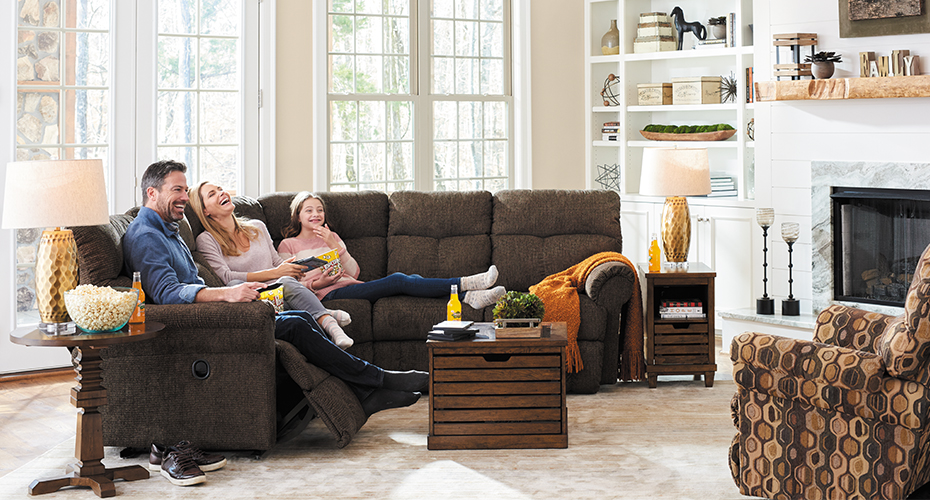
If you’ve ever noticed your favorite sofa looking a bit washed out after a few years in that sunny spot by the window, you’re witnessing a slow-motion chemical reaction. Sunlight doesn’t just make your furniture fade—it literally breaks down the molecular structure of fabric dyes and fibers. Understanding what’s really happening can help you protect your investment far more effectively than just throwing up any old curtain and hoping for the best.
The Science Behind Sun Damage: It’s Not Just About Color
Here’s what most articles won’t tell you: fading is actually the least of your worries. When ultraviolet radiation hits your furniture, three distinct processes occur simultaneously:
Photodegradation breaks the chemical bonds in dye molecules, causing colors to fade or shift. Blues and purples tend to fade fastest, while yellows and reds often last longer. This is why that navy sofa might turn grayish-blue before your rust-colored armchair shows any wear.
Fiber breakdown weakens the actual fabric structure. UV rays don’t discriminate—they attack natural fibers like cotton and linen, synthetic materials like polyester, and even leather. Over time, this makes fabric brittle and prone to tearing, especially along seams and high-wear areas.
Heat damage accelerates both of the above processes. That warm patch of sunlight might feel cozy to your cat, but it’s essentially a slow cooker for your upholstery. Higher temperatures speed up chemical reactions, meaning your furniture degrades faster in hot, sunny rooms.
The kicker? UV rays penetrate clouds easily, so overcast days offer virtually no protection. Your furniture is taking damage even when you can’t see direct sunlight streaming through the windows.
Understanding UV Ratings: Not All Protection Is Equal
When shopping for window treatments or UV protection products, you’ll encounter terms like “UV blocking” and “sun protection factor.” Here’s what actually matters:
UPF (Ultraviolet Protection Factor) measures how much UV radiation penetrates fabric. A UPF of 50 means only 1/50th of UV rays get through—that’s 98% protection. For window treatments, look for UPF 30 or higher.
Visible Light Transmission (VLT) indicates how much visible light passes through. This matters because you probably still want to enjoy natural light. A window film might block 99% of UV while allowing 70% of visible light through—meaning you get protection without living in a cave.
Heat rejection measures infrared light blocking, which reduces heat buildup. This matters because, as mentioned, heat accelerates fabric damage. The best solutions block UV and infrared radiation while allowing visible light through.
Window Treatments: A Hierarchy of Protection
Not all window coverings are created equal. Here’s how different options stack up:
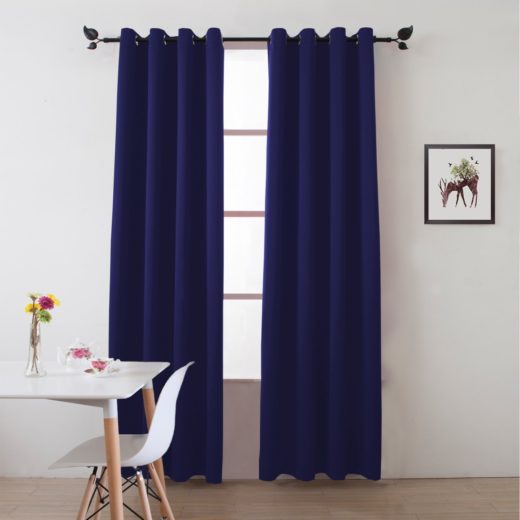
Blackout curtains offer maximum protection (up to 99% UV blocking) but eliminate natural light entirely. They’re ideal for media rooms or bedrooms, but impractical for living spaces where you want daylight. Pro tip: layer blackout curtains with sheer panels, so you can adjust protection throughout the day as the sun moves.
UV-blocking window film is the most effective solution for maintaining natural light while protecting furnishings. Professional-grade films block up to 99.9% of UV rays while allowing 40-70% of visible light through. The catch? Installation is tricky—bubbles, dust, and improper application can ruin both the film and your view. Budget for professional installation unless you’re genuinely skilled at precise, detail-oriented work.
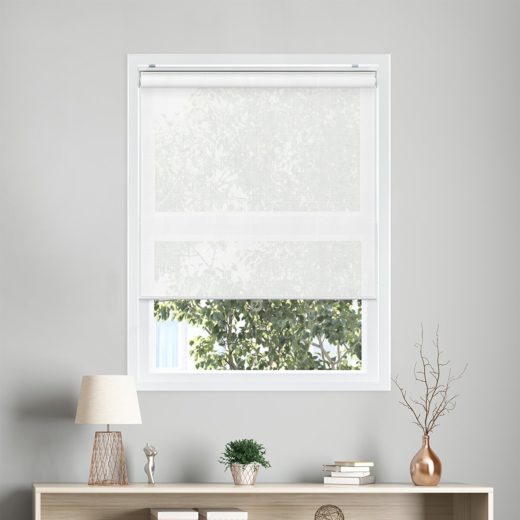
Solar shades offer a middle ground with UPF ratings typically between 30-50. The “openness factor” (measured as a percentage) determines both UV blocking and visibility. A 3% openness shade blocks more UV but reduces your view more than a 10% shade. Choose based on your room’s sun exposure—south-facing windows need denser shades than north-facing ones.
Cellular or honeycomb shades trap air in pockets, providing insulation while blocking UV. They’re particularly effective for energy efficiency, potentially reducing heating and cooling costs by 20-40% while protecting your furniture. The downside is they completely block your view when closed.
Fabric Choices That Fight Fading
If you’re shopping for new furniture, some fabrics naturally resist UV damage better than others:
Solution-dyed acrylics (like Sunbrella) have color embedded throughout the fiber rather than applied to the surface, making them exceptionally fade-resistant. Originally developed for outdoor use, these fabrics are increasingly popular for indoor furniture in sunny rooms.
Olefin (polypropylene) resists UV damage well and is naturally stain-resistant, though it can feel less luxurious than other options. It’s often used in family-friendly furniture where durability matters more than hand-feel.
Microfiber and tightly-woven synthetics tend to fade more slowly than loosely-woven natural fabrics. The denser the weave, the less surface area exposed to UV rays.
Leather and vinyl develop patina rather than fading, but UV exposure can cause drying and cracking. If you’re set on leather furniture for a sunny room, look for UV-protected leather and commit to regular conditioning.
Natural fabrics like cotton, linen, and wool fade relatively quickly but can be treated with UV-protective finishes. Just know these treatments wash out over time and need reapplication.
Strategic Room Planning: Work With the Sun, Not Against It
Understanding sun patterns in your home can minimize UV exposure without blocking light entirely:
Track the sun’s path by noting where direct sunlight hits throughout the day. In the Northern Hemisphere, south-facing windows get the most intense sun year-round, while east windows get morning light and west windows get intense afternoon sun. North-facing windows receive indirect light and cause minimal fading.
Create rotation zones where you place less valuable or more fade-resistant pieces in high-UV areas. That inexpensive side chair can go in the sun-drenched corner, while your investment sofa stays in a protected zone. Some people rotate their cushions seasonally—not just top-to-bottom, but also moving pieces from sunny to shaded areas.
Use furniture as blockers. Tall bookcases, screens, or plants can intercept UV rays before they reach upholstered pieces. A well-placed bookshelf can protect a sofa while adding functionality.
Leverage seasonal changes. The sun sits lower in the sky during winter, potentially streaming deeper into your room. Adjust window treatments seasonally—you might need more protection from November through March than during summer months when the sun is higher.
Beyond Windows: Other UV Protection Strategies
Glass quality matters. Standard window glass blocks about 97% of UVB rays but only 37% of UVA rays—and it’s UVA that causes most fabric fading. Low-E windows (low emissivity) block more UV and infrared radiation. If you’re building or renovating, upgrading your glass is the most permanent solution.
Interior protective sprays like fabric protectors with UV inhibitors offer some defense, but they’re not miracle solutions. They work best as supplementary protection in rooms with moderate light exposure, not as standalone solutions in sun-drenched spaces. Most need reapplication every 6-12 months.
Throw covers and furniture protection might not win design awards, but they’re practical for furniture in unavoidably sunny spots. Lightweight linen or cotton covers can be attractive while protecting expensive upholstery during peak sun hours.
Outdoor Furniture Deserves Special Attention
Outdoor pieces face UV exposure that’s 3-5 times more intense than indoor furniture, plus they deal with rain, humidity, and temperature swings. Here’s what actually works:
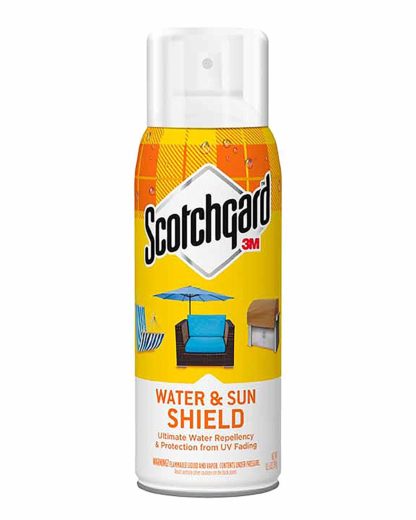
Start with outdoor-rated fabrics. If it’s going outside, it should be specifically designed for outdoor use. Scotchgard Water & Sun Shield keeps your outdoor furniture from fading by repelling water and blocking UV rays. Indoor fabrics will degrade rapidly even with protection. Look for solution-dyed acrylics with UPF 50+ ratings.
Covers are essential during off-seasons, but daily covering is impractical and defeats the purpose of outdoor furniture. Instead, invest in quality fade-resistant fabrics and accept that outdoor pieces have a shorter lifespan than indoor furniture.
Placement matters even outside. Furniture under a pergola, awning, or large tree canopy will last significantly longer than pieces in full sun. If possible, create covered zones for your most valuable outdoor pieces.
The Long Game: Realistic Expectations
Even with perfect protection, all furniture fades eventually. Here’s what you should actually expect:
With no protection in a sunny room, noticeable fading typically occurs within 6-18 months, with significant degradation by year three.
With moderate protection (sheer curtains, occasional UV spray), you can extend this to 3-5 years before needing reupholstery or replacement.
With comprehensive protection (UV window film or solar shades, fade-resistant fabrics, strategic placement), quality furniture should maintain its appearance for 7-10 years or more.
The key is matching your protection level to your furniture’s value and your room’s sun exposure. A $5,000 custom sofa in a sun-drenched living room justifies the investment in quality window film and fade-resistant fabric. A budget piece in a moderately lit room might only need sheer curtains.
A Final Word on Professional Help
Understanding sun exposure patterns and selecting the right protection strategies can get complicated. If you’re planning a room with significant sun exposure or protecting valuable furniture, consulting with an interior designer can save you money in the long run. They can help you balance natural light, UV protection, and aesthetics in ways that actually work for how you live.
The goal isn’t to block every ray of sunshine—it’s to enjoy your home’s natural light while making smart choices that protect your investment. With the right combination of window treatments, fabric selection, and strategic planning, you can have both bright, welcoming spaces and furniture that looks great for years to come.
Check Out These Additional Resources
Protecting your furniture from the sun will extend the life of your investment. And help you save on heating and cooling costs.
At La-Z-Boy Home Furnishings & Décor, we can show you how to protect your furniture from UV rays.
Plus, our free design service gives you access to a degreed interior designer at no extra cost.
You may like to take a look at these additional interior design resources:
- 8 Best Furniture Stores with Free Design Services
- La-Z-Boy Free Design Service: Reviews & Testimonials
- 5 Reasons You Should Work with a La-Z-Boy Interior Designer
We’d be happy to help you bring your dreams to life at any of our locations in NC, SC, and GA.